Residential Water Purification Systems | Commercial & Industrial Water Treatment Solutions | Borehole & Raw Water Purification |
Water Dispensers, Coolers, Chillers, Fountains & Ice Makers | Replacement Parts & Treatment Media | Borehole Installation & Development |
Premium Bottled Water Production & Supply | Maintenance, Servicing, Installation & Free Water Testing | Solar & AC Pumping Solutions
"Safe, Pure, and Refreshing water through innovative purification technologies and reliable bottling services, while promoting health, sustainability, and community well-being."
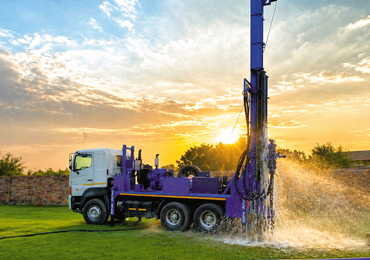
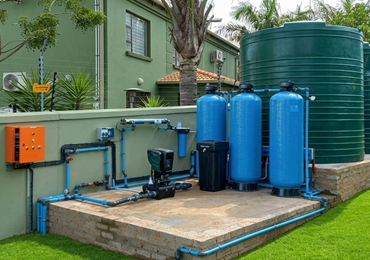
Borehole water is an important source of water, especially in areas with limited access to clean supplies, but it is not always safe to drink.
Despite natural underground filtration, it can still contain harmful contaminants such as bacteria, heavy metals, and chemicals. Without proper treatment,
these impurities can lead to serious health issues, making water treatment essential for safety.
Common contaminants in borehole water include microorganisms that cause infections, heavy metals like lead and arsenic that pose long-term health risks,
and nitrates or chemicals from agriculture and industry. To address these issues, various treatment methods are used, including filtration, disinfection
(such as UV or chlorination), water softening, aeration, and chemical treatments, each targeting specific impurities.
Regular testing is key to ensuring the effectiveness of these treatment methods and maintaining water quality over time. Experts recommend testing at
least once a year or more frequently in high-risk areas. Overall, proper treatment and consistent monitoring make borehole water a safe, reliable, and
cost-effective water source.
At Hydration Masters,Water quality plays a crucial role in the taste and outcome of food and beverages, as it is involved in almost every
step of cooking and brewing. Poor-quality or hard water can negatively affect texture, flavor, and even nutritional value, leading to issues like tough pasta,
grainy rice, or bitter coffee and tea. Clean, purified water helps preserve natural flavors and ensures better cooking results.
Hard water, which contains high levels of minerals like calcium and magnesium, can interfere with cooking and baking by altering texture and taste.
It can prevent proper absorption in foods and affect how baked goods rise, sometimes adding an unpleasant metallic flavor. Additionally, contaminants
like chlorine in drinking water can create unwanted tastes and odors, reducing the overall enjoyment of meals and beverages.
Using purified water improves both taste and flavor extraction, allowing ingredients to reach their full potential. Systems like those offered
by Hydration Masters remove harmful impurities, balance mineral content, and provide clean, fresh-tasting water. Overall, investing in good water
quality enhances everyday cooking, drinking, and brewing experiences, making a noticeable difference in flavor and quality.
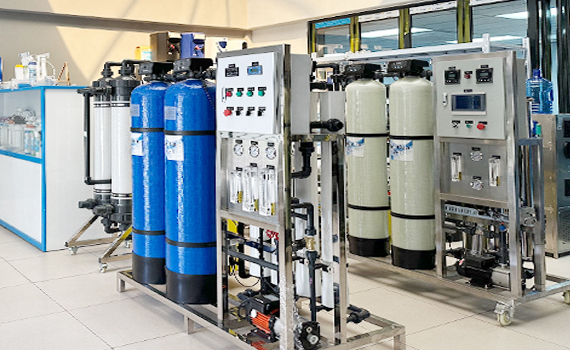
Seasonal changes can impact how well water treatment systems function, making proper preparation essential for consistent performance.
In winter, freezing temperatures can damage pipes and equipment, so insulating components, checking for leaks, monitoring water pressure,
and protecting outdoor units are key steps. Regular servicing before the cold season also helps prevent costly damage and ensures the system runs efficiently.
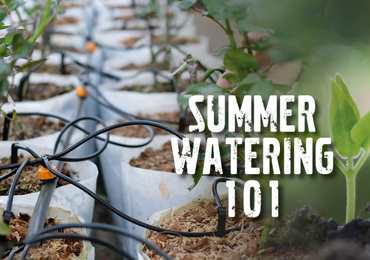
In summer, increased water usage and warmer temperatures can strain systems and promote the growth of bacteria and algae. To maintain water quality,
it’s important to replace filters, inspect storage areas, monitor for contamination, and ensure the system can handle higher demand. Additional care,
such as maintaining irrigation systems and testing water quality, helps prevent issues caused by runoff and pollutants.
Year-round maintenance is equally important to keep the system in optimal condition. Regular water testing, routine inspections, and professional
servicing help identify and resolve problems early. Staying informed about local water quality and keeping a maintenance schedule ensures reliable,
safe water supply throughout the year, regardless of seasonal challenges.
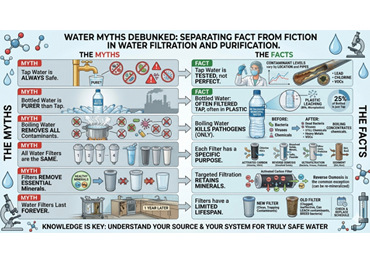
Water filtration and purification systems Many common beliefs about water filtration and purification are misleading.
Bottled water is not always safer than tap water, boiling only removes biological contaminants, and not all filters work the same.
In reality, water quality depends on proper treatment methods, and different systems are designed to target specific impurities.
It’s also a myth that filtration removes all beneficial minerals or that good taste guarantees safety. Harmful substances can exist
in water without affecting its taste, and modern filtration systems are often designed to retain essential minerals while removing dangerous
contaminants. Additionally, water purification systems are not always expensive, and affordable options can still provide effective protection.
Finally, proper maintenance and the right combination of filtration methods are crucial. Filters need regular replacement, well water
still requires testing and treatment, and systems like UV purification work best when combined with other methods. Overall, understanding
these myths helps people make better decisions and ensures access to safe, clean drinking water.
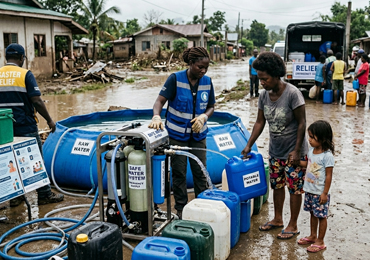
Natural disasters such as floods, earthquakes, wildfires, and storms can disrupt water supplies and contaminate drinking water,
posing serious health risks. These events may damage infrastructure or introduce harmful substances into water sources, making it
unsafe to consume without proper treatment.
Preparation is essential to ensure access to safe water during emergencies. This includes storing enough clean water, identifying
alternative water sources, and having reliable purification methods such as boiling, filtration, or disinfection. During a disaster,
it’s important to use stored water carefully, treat any additional water before use, and follow updates from local authorities water safety.
After the disaster, continued caution is necessary. Water systems should be inspected for damage, and all water should be treated until
officially declared safe. Cleaning storage containers and restocking emergency supplies helps maintain readiness for future events. Overall,
proper planning and awareness are key to staying safe and resilient.
Investing in a water treatment system requires an initial outlay for equipment, installation, and ongoing maintenance, which can vary depending
on the system’s complexity. While these upfront costs may seem high, they should be viewed as a long-term investment rather than a short-term expense.
Understanding these costs helps homeowners and businesses plan effectively and choose a system that suits their needs and budget.
Over time, the financial benefits become clear. A water treatment system can significantly reduce or eliminate the need for bottled water,
lower energy bills by improving appliance efficiency, and minimize plumbing and repair costs caused by hard water damage. Additionally, by
extending the lifespan of appliances such as heaters and washing machines, users avoid frequent replacements, resulting in steady long-term
savings that can offset the initial investment within a few years.
Beyond financial gains, the system offers important health and environmental advantages. It ensures access to cleaner, safer drinking
water by removing harmful contaminants, while also improving skin and hair health. At the same time, reducing reliance on bottled water
helps cut down plastic waste and lowers carbon emissions. Altogether, a water treatment system is a practical, sustainable investment that
supports both personal well-being and environmental responsibility.